Built for Hands, Not Manuals
The people doing the work should be able to do the work. The system can carry the complicated part.
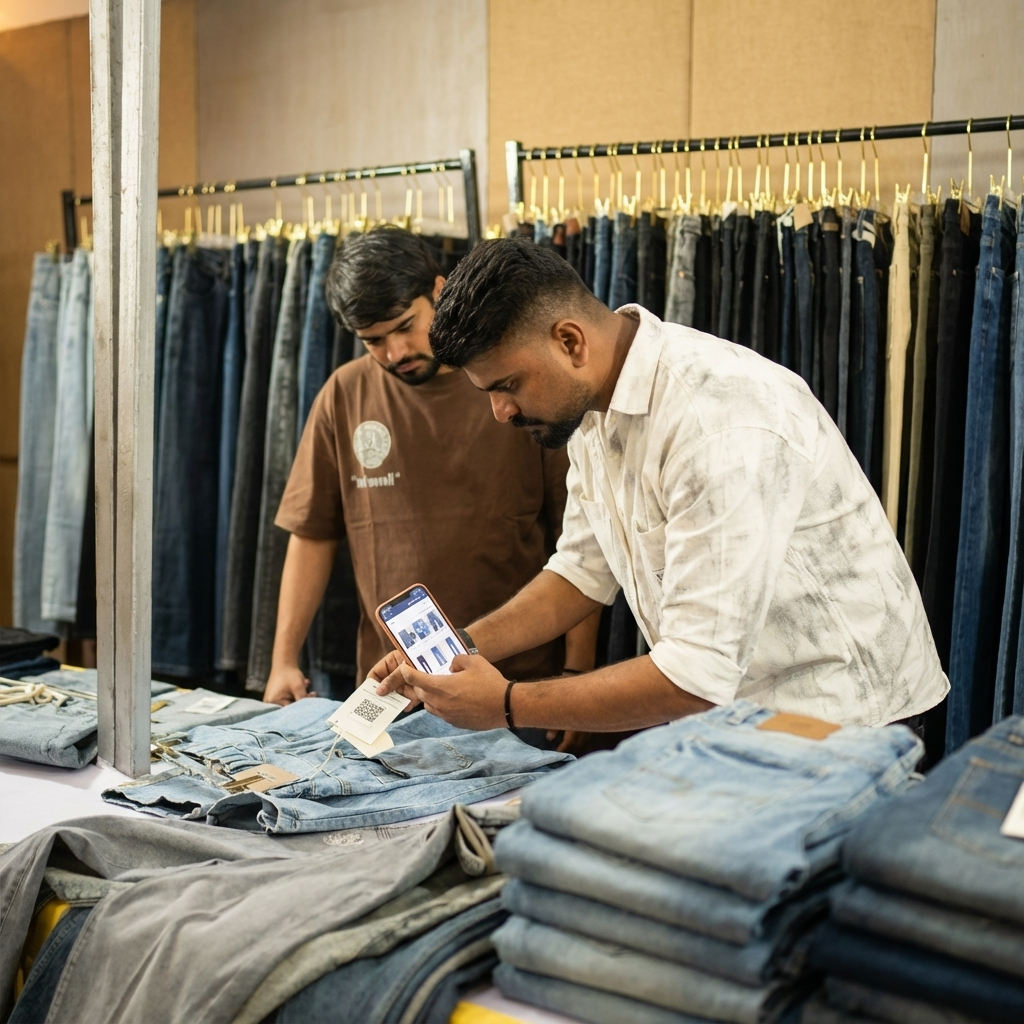
Who was doing the workSales agentBusy expo floor, one hand on a phone.Operations managerPlanning demand across products and distributors.Warehouse teamPacking what needs to go out next.
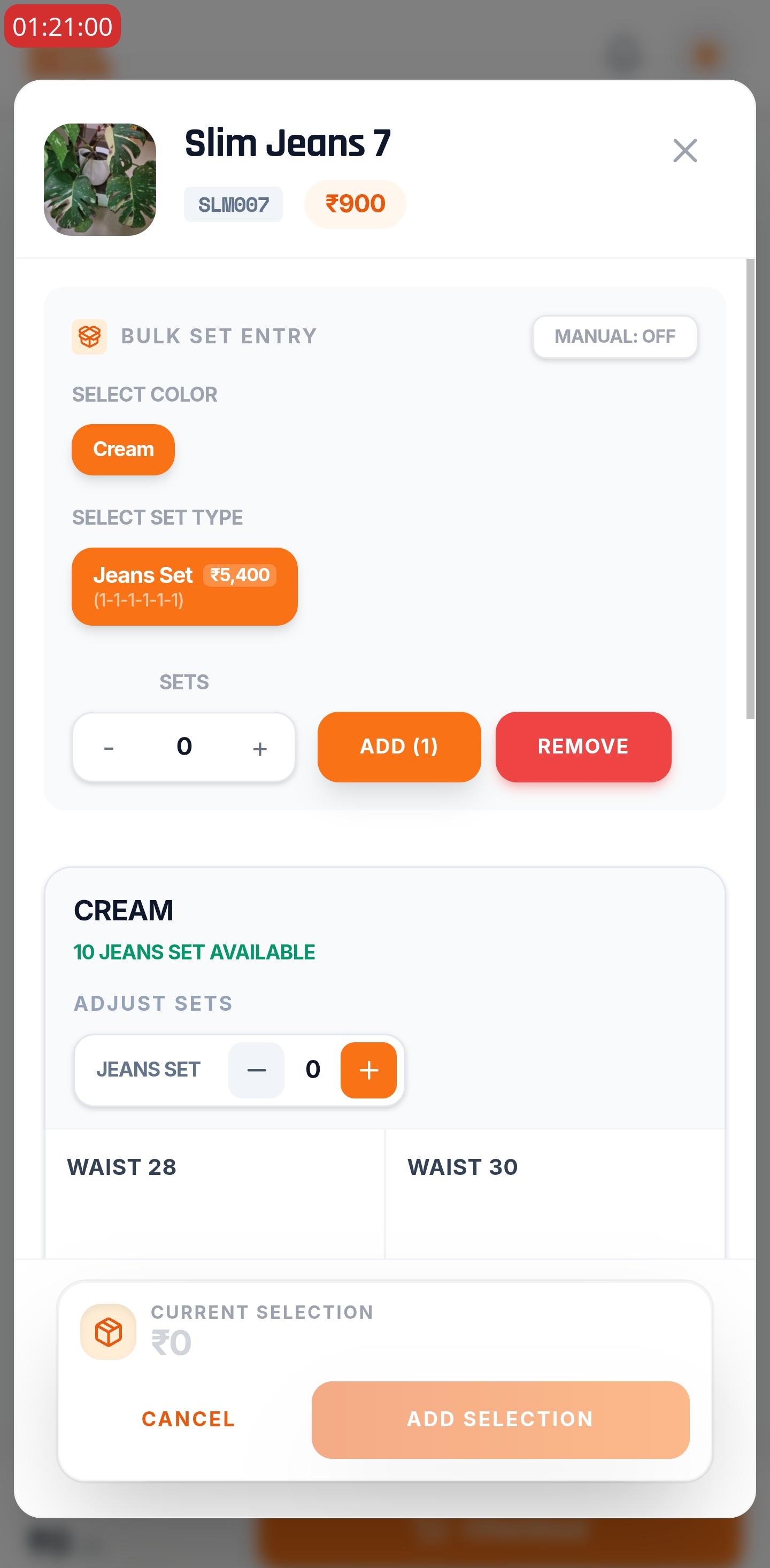
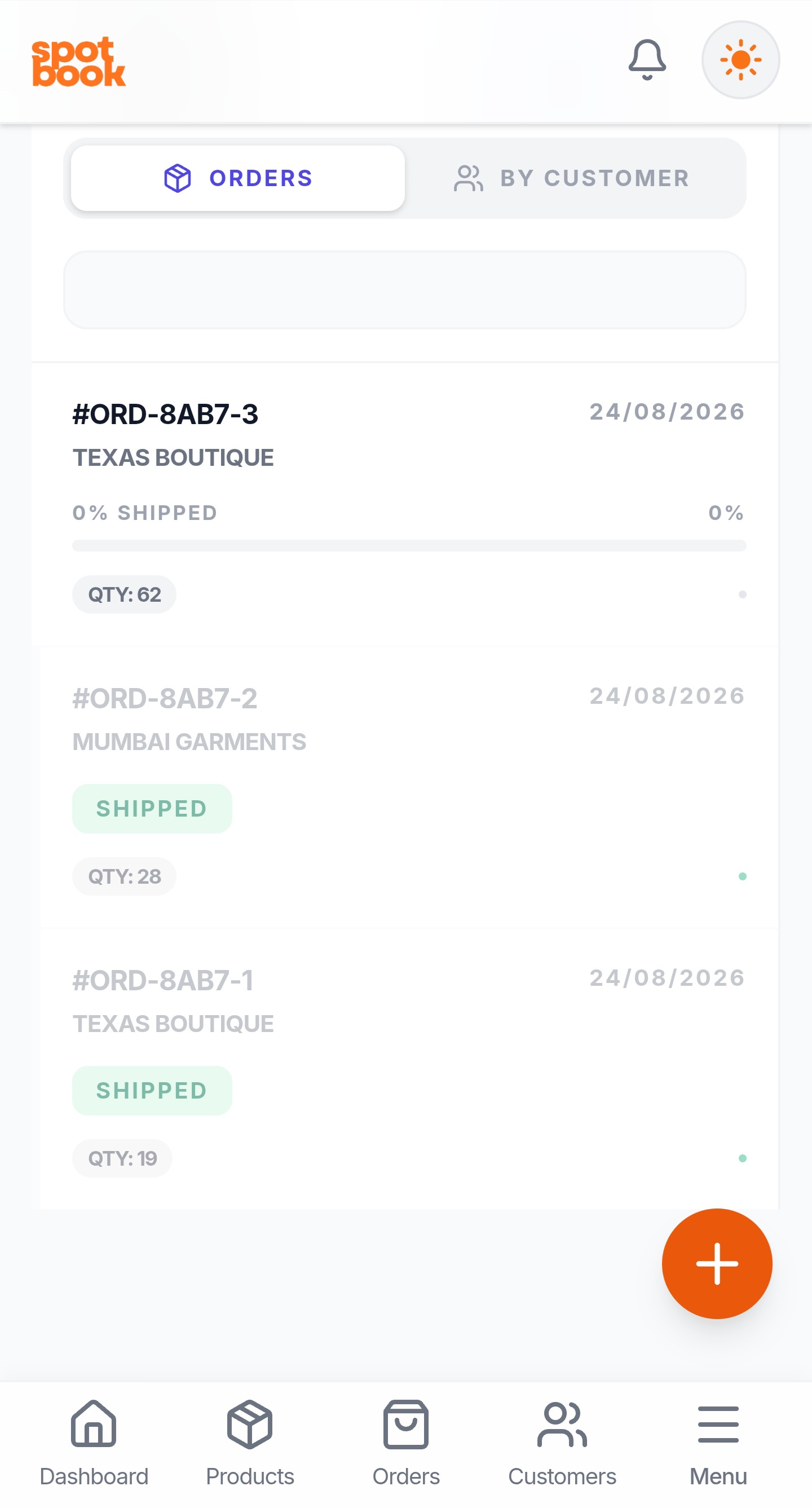
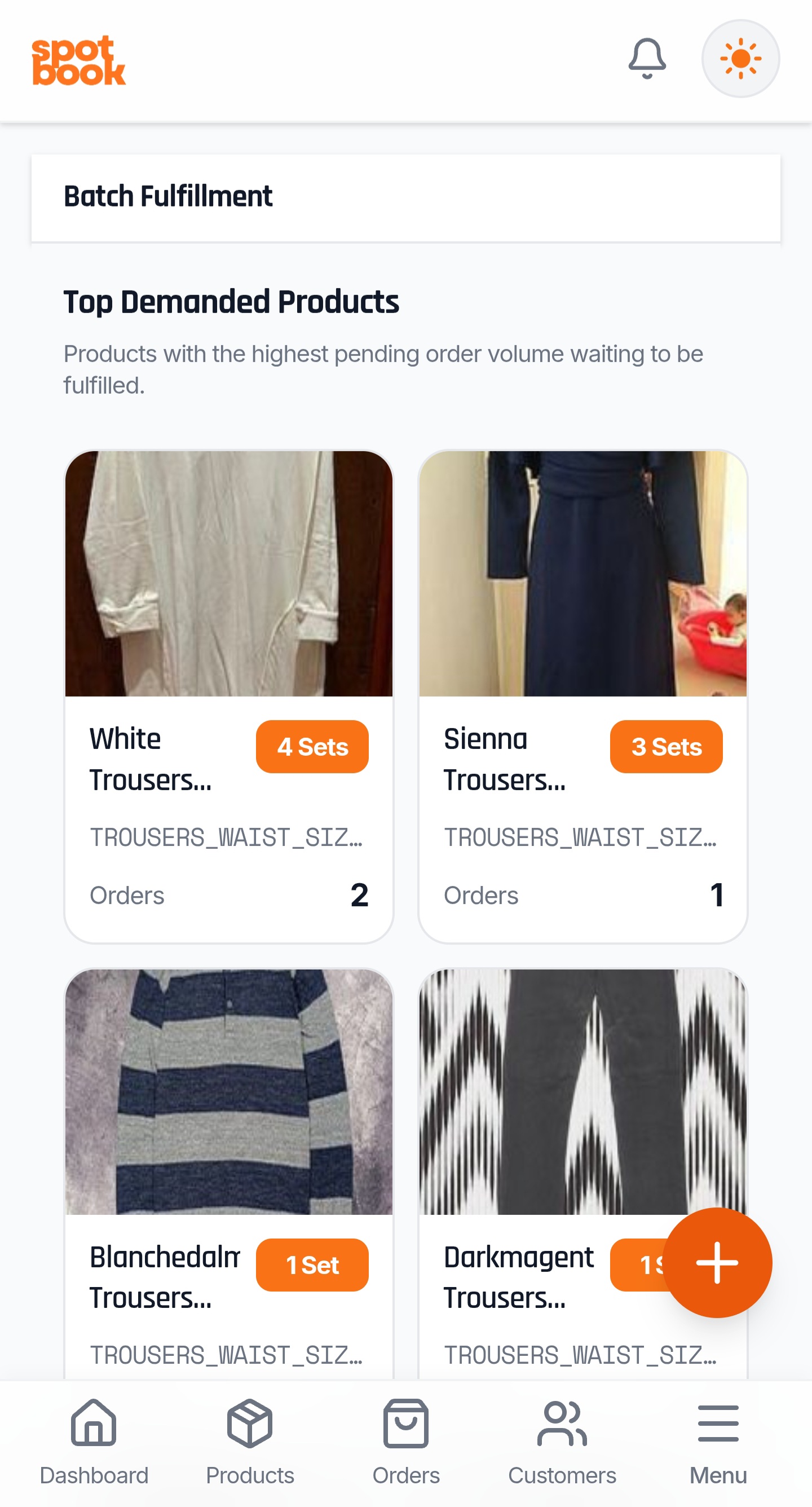
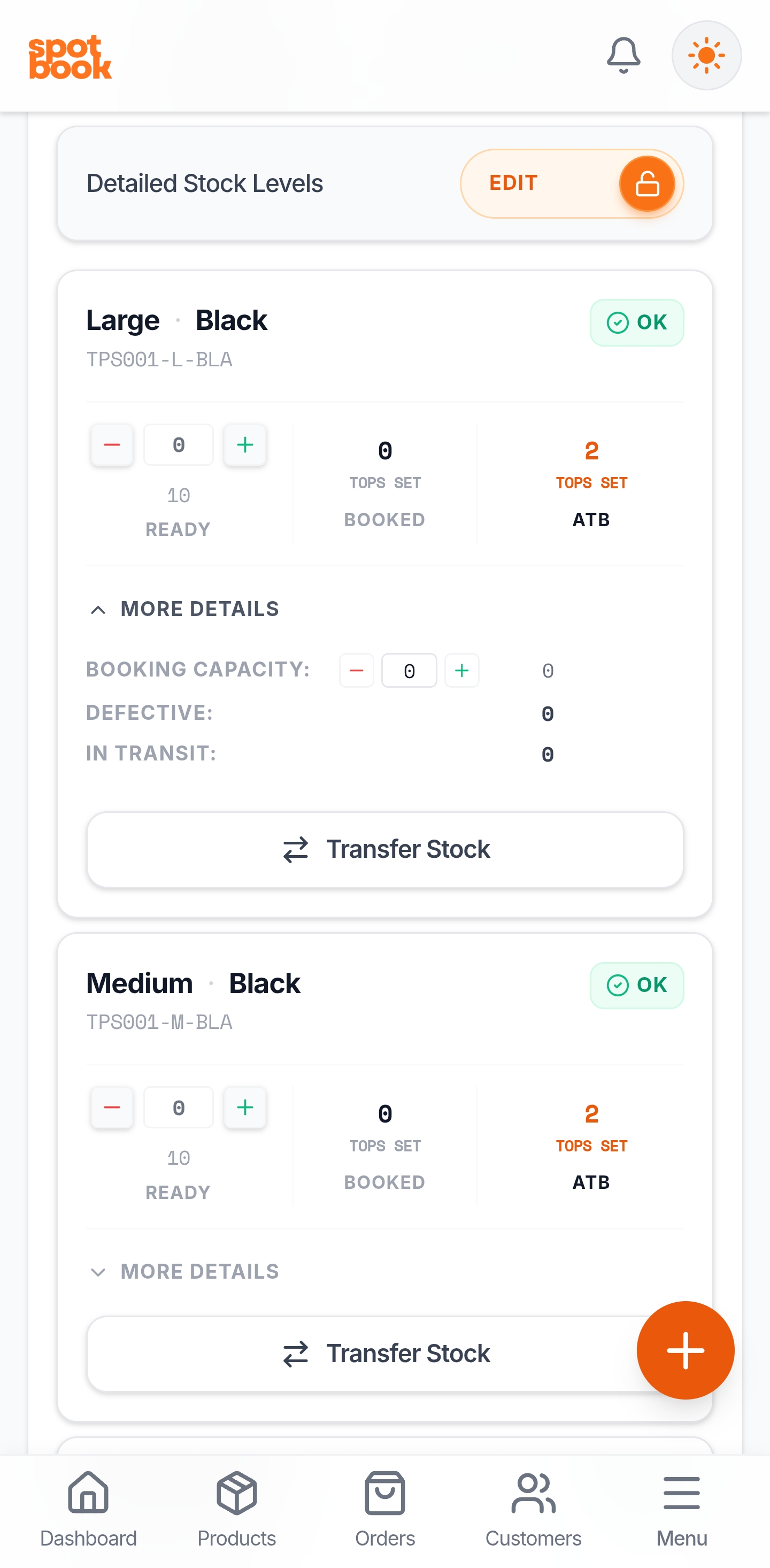
What they needed to doBook an orderwithout a form getting in the way.Make an allocation decisionwithout rebuilding the spreadsheet in their head.Find and move stockwithout decoding a wall of numbers.
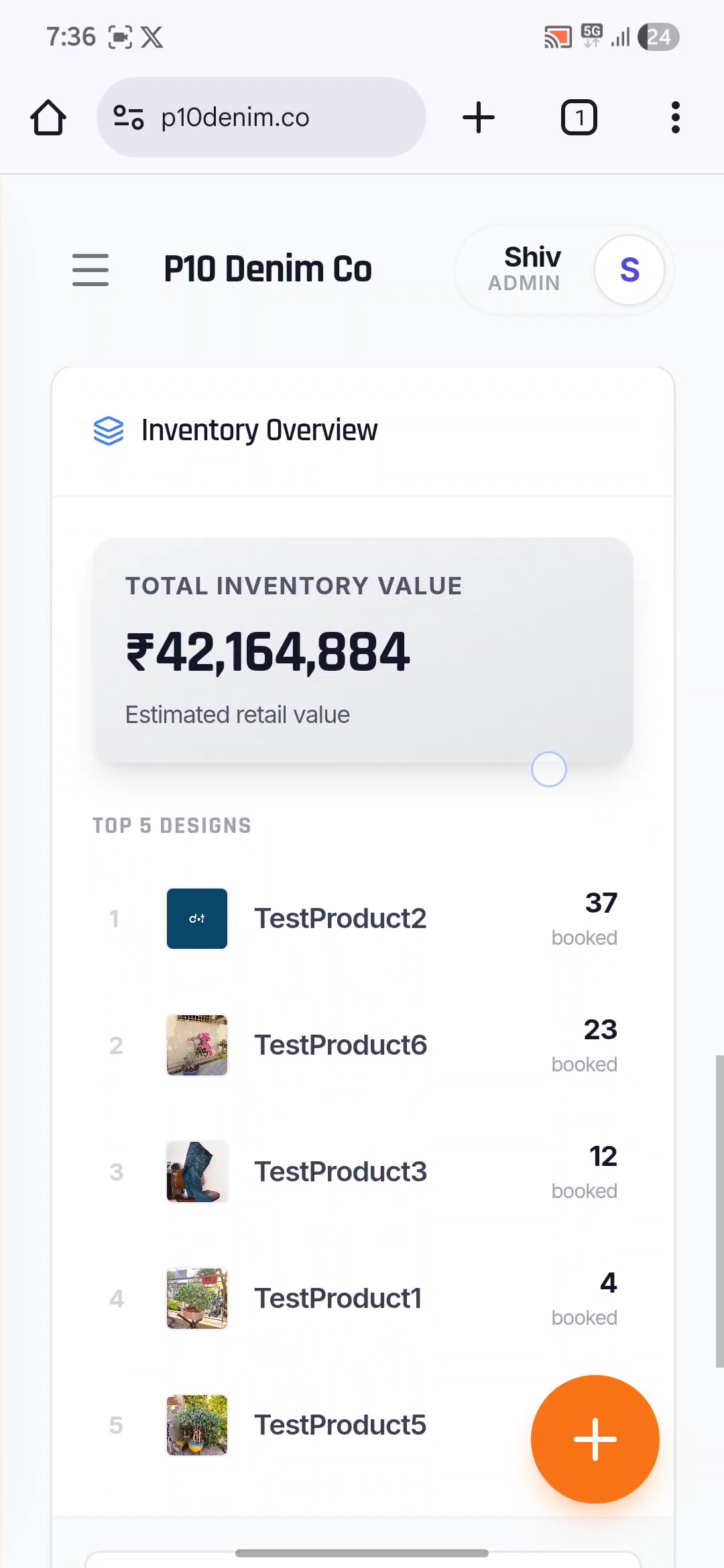
What SpotBook carried underneathInventory validationConcurrency, reservations, order state.Demand groupingProduct, distributor, retailer, credit context.Inventory modellingSKU states, physical stock, future capacity.
SpotBook’s users were not people with time for training manuals. The aim was to make the next action feel natural and keep the system’s burden off their screen. In practice, a new sales agent could learn the complete ordering flow in roughly ten minutes.
Different people, different mental models
The initial deployment proved the workflow for one manufacturer. During those 15 days at the expo, I sat across the table from five other manufacturers—and every conversation revealed the same pattern.
"Business owners described what they wanted. Their salespeople and inventory managers described what they actually needed. Those were two very different products."
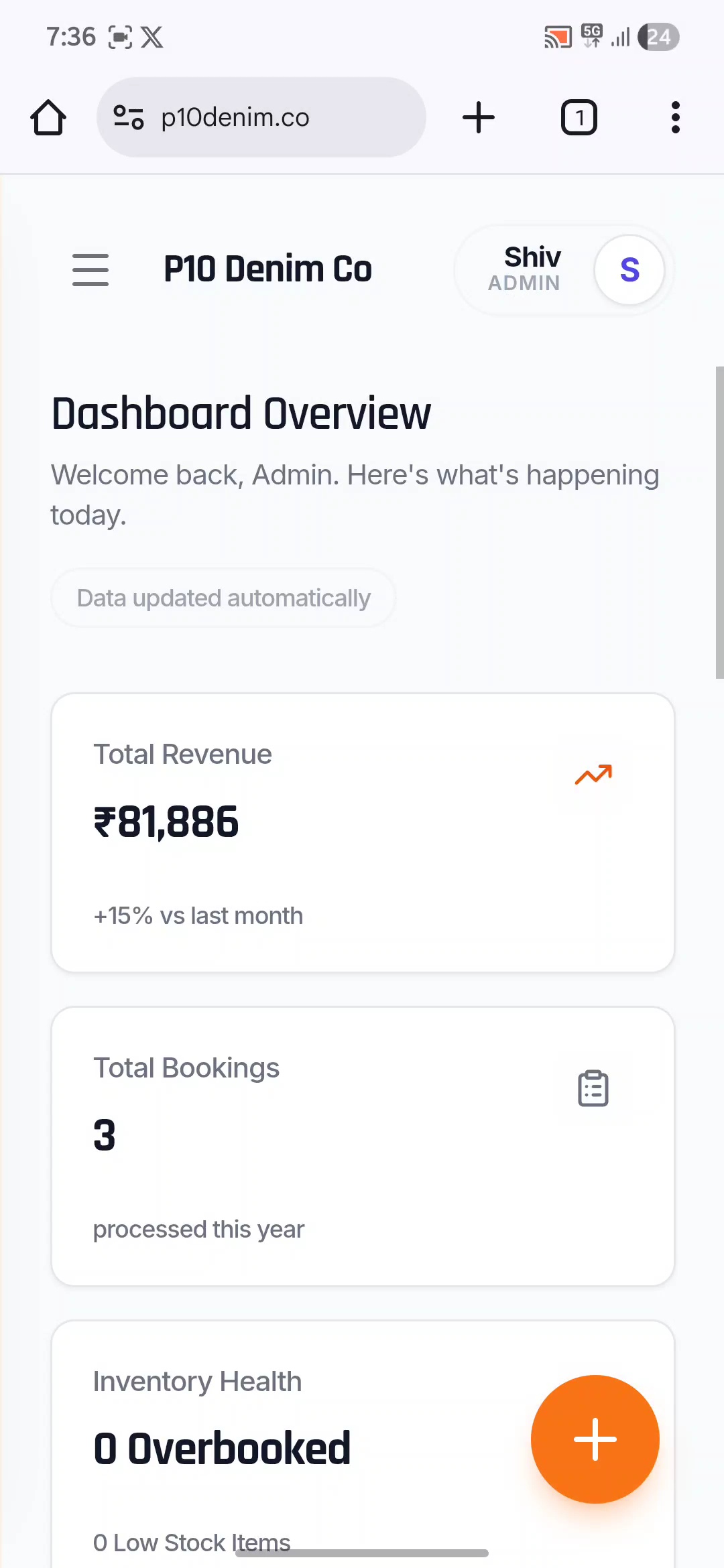
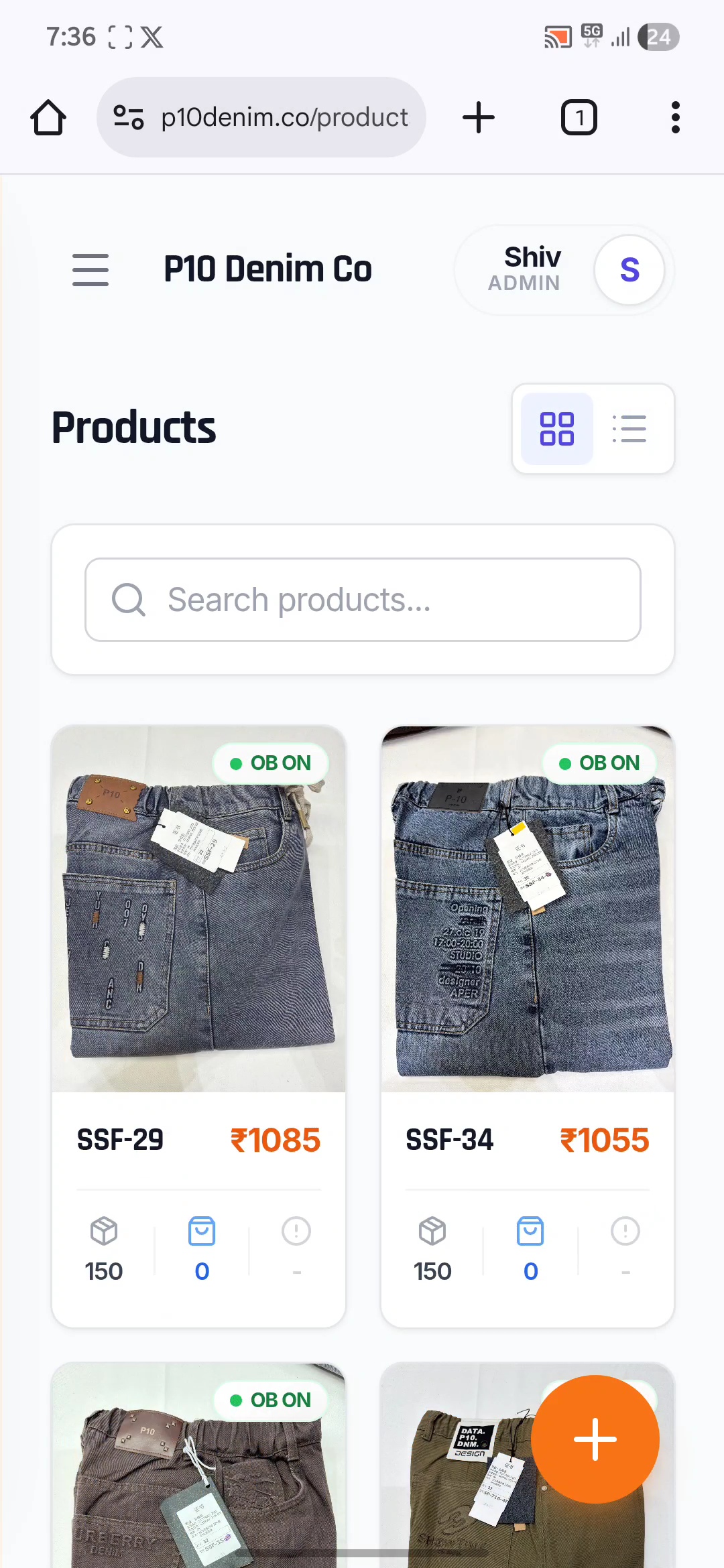
Warehouse staff didn't care about dashboards — they needed to know exactly how many pieces of Waist 32 × Dark Blue were left before promising them to a retailer. Salespeople didn't want a CRM — they wanted a POS that worked on a 5-inch phone in a noisy hall. Distributors didn't want login credentials — they wanted to browse a catalog via QR code without downloading anything.
That's what shaped the zone architecture below. Every boundary exists because a real person on the expo floor had a different mental model of the same data. A feature was successful only when it helped that person reach the intended outcome—not merely when the code worked.